Living in Crystal Lake, Illinois, means adapting to distinct seasons. We see everything from vibrant spring blooms to snowy winter blankets.
Homeowners often dream of a perfect backyard retreat. You might want a place to entertain friends on a warm July evening. Or, perhaps you want a cozy nook to enjoy coffee while watching the snow fall.
At Greentrail Landscape & Design, we have spent over 20 years transforming properties in McHenry County. A common question we hear is, “What is the difference between hardscaping and landscaping, and which one do I need?”
The short answer is simple: You need both.
However, knowing the difference is key to a successful project. Let’s dive into these two essential elements of outdoor design. We will look at how they apply to our unique Crystal Lake environment.

Defining the Basics: The Structure and The Life
Think of your yard as a house. Hardscaping is the foundation, walls, and roof. It provides the structure. Landscaping is the decor and art. It provides the life.
People often group them under the general term “landscaping.” Yet, they serve very different roles.
What is Hardscaping?
Hardscaping refers to the non-living elements of your outdoor space. These are the solid materials like stone, concrete, brick, and wood.
These elements provide definition and functionality. Hardscaping is the backbone of your design. It controls traffic flow and creates usable living areas. It also manages issues like drainage and erosion.
Common hardscape elements include:
- Patios and Decks: The main stage for outdoor living.
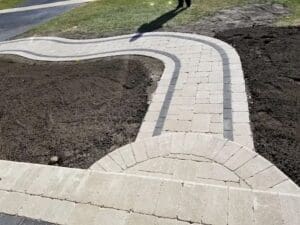
- Walkways and Paths: Guides for movement through the garden.
- Retaining Walls: Solutions for slopes and soil erosion.
- Driveways: The entry point to your home.
- Outdoor Kitchens and Fire Pits: Areas for entertainment.
We can build the perfect structure for your yard. Explore our professional hardscaping services in Crystal Lake IL to learn more.

What is Landscaping (Softscaping)?
In the industry, we call the “living” part of your yard “softscaping.” This includes everything horticultural.
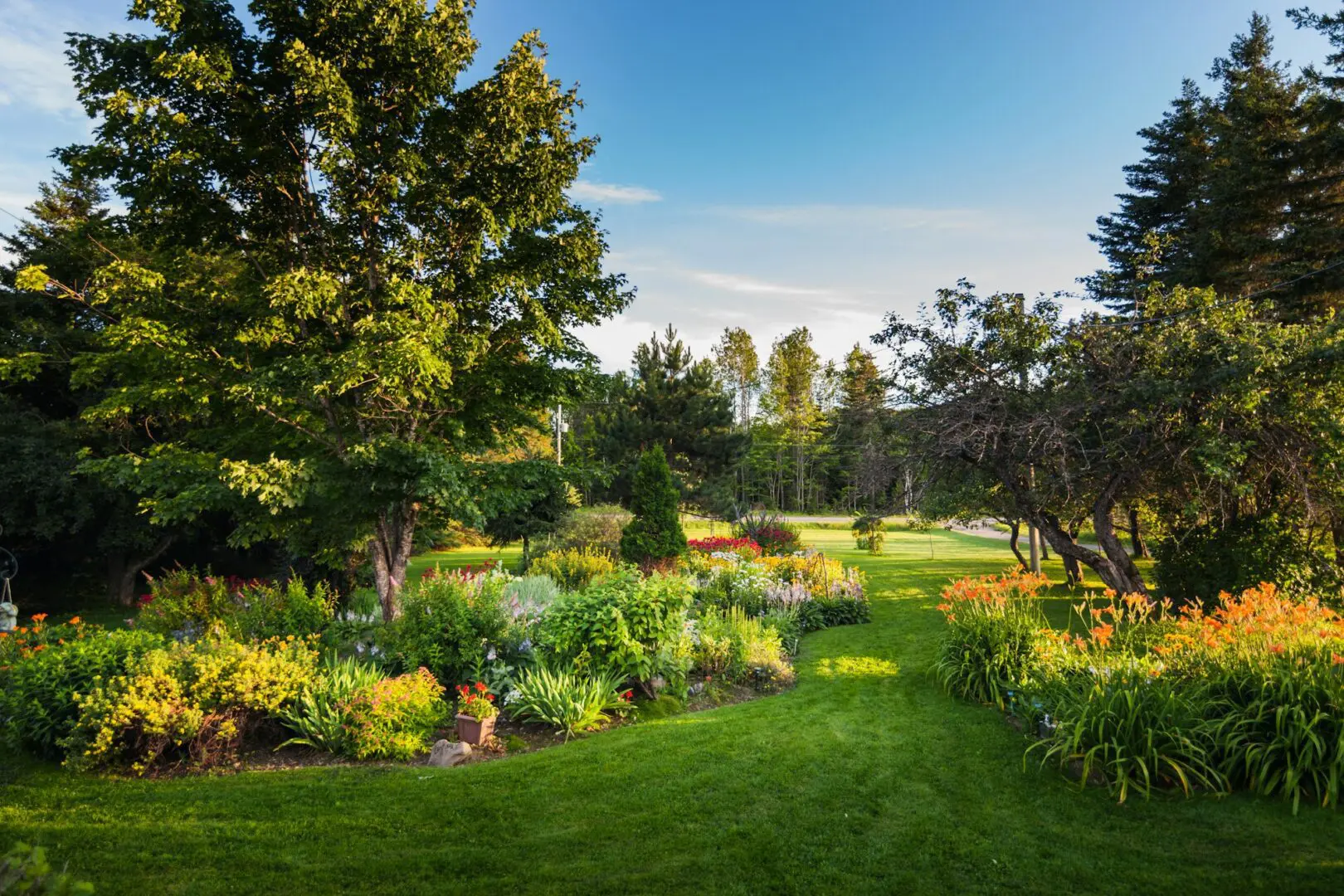
Softscaping adds color, texture, and fragrance. It softens the rigid structure of the hardscape. It also provides shade and connects your home to nature.
Key softscape elements include:
- Turf and Lawns: The green carpet of your yard.
- Flower Beds: Annuals and perennials for splashes of color.
- Trees and Shrubs: For height, privacy, and shade.
- Mulch and Soil: The nutrient-rich foundation for plant health.
To see how we can bring vibrancy to your yard, check out our expert softscape design services.
The Crystal Lake Factor: Why Local Geography Matters
Designing a landscape in Crystal Lake is unique. It is not like designing in Florida or even Southern Illinois.
Our soil composition dictates our methods. Our intense freeze-thaw cycles also play a major role. We must design with these factors in mind.
Hardscaping Challenges in Northern Illinois
Anyone who lives through a Crystal Lake winter knows the ground changes. It doesn’t just freeze; it moves.
The frost line here can go down to 42 inches. This causes “frost heave.” Moisture in the soil freezes and expands. This pushes up against anything sitting on top of it, like patio pavers.
The Clay Soil Conundrum
McHenry County is known for heavy clay soil. Clay holds water much longer than sandy soil. When trapped water freezes, it expands with great force. This can crack concrete and displace pavers.
This is why base preparation is critical. At Greentrail, we excavate deeper. We use specialized base materials to ensure proper drainage beneath your hardscapes. This mitigates the effects of frost heave.
For technical details on hardscape materials, you can read more on Wikipedia’s Hardscape page.
Landscaping for the Local Climate
Our climate (USDA Hardiness Zone 5b/6a) has specific rules for softscaping. We have hot, humid summers and bitterly cold winters. Plants need to be tough.
We advocate for using native plants whenever possible. Native species like Purple Coneflower and Black-Eyed Susan are adapted to our soil.
Why choose native plants?
- They survive cold winters.
- They develop deep root systems.
- They break up heavy clay naturally.
- They improve drainage over time.

Integrating Hardscaping and Landscaping
The magic happens when hardscaping and landscaping work together. A patio without plants feels cold. It looks like a parking lot. Conversely, a garden without pathways is chaotic.
Here is how we blend them for our Crystal Lake clients.
1. Managing Water Flow
Water management is crucial here. Heavy spring rains can turn backyards into swamps. We use hardscaping to direct water away from your foundation.
We then channel that water into rain gardens. These are softscape areas planted with moisture-loving species. They absorb excess runoff effectively.
2. Creating Privacy and Zones
Hardscaping defines a space. A pergola might define a dining area. A low wall might define a patio.
Softscaping provides privacy. A row of Arborvitae can block a neighbor’s view. A trellis with climbing hydrangea softens hard fence lines.
3. Seasonal Interest
Hardscaping provides the “bones” of your garden. It looks good year-round. When plants die back in December, stone walls still look great.
We incorporate evergreens alongside stone elements. This ensures your property looks stunning even in the dead of winter.

Maintenance Differences
Understanding the difference between these categories helps with long-term care. Each requires a different approach.
Hardscape Maintenance
Hardscapes are low maintenance, but not zero maintenance. In our region, salt and ice are the enemies.
- Sealing: Clean and seal pavers every few years to protect from UV rays.
- Re-sanding: Polymeric sand between pavers can erode. Top it up to prevent weeds.
- Winter Care: Avoid harsh rock salt on concrete. It causes pitting. Use Calcium Chloride instead.
Softscape Maintenance
Softscapes are dynamic. They grow and change. They require regular attention.
- Pruning: Trim shrubs to keep them healthy.
- Mulching: Vital for retaining moisture in summer and insulating roots in winter.
- Cleanup: Remove debris in spring and fall to prevent mold.
If you love the view but hate the work, we can help. Our team offers comprehensive landscape maintenance packages for Crystal Lake properties.
Which Should You Tackle First?
Are you planning a complete overhaul? The general rule is: Hardscaping First.
Installing patios and walkways involves heavy machinery. It requires excavation. This disrupts the soil significantly.
You do not want to plant delicate flowers only to have them trampled. Hardscaping sets the grade for the yard. It establishes drainage patterns.
Once construction is done, we bring in the “soft” elements. Plants heal the scars of construction. They fill the spaces and bring the design to life.

Common Mistakes to Avoid in Crystal Lake
We have seen plenty of DIY mishaps over the years. Here are a few specific to our area to watch out for.
- Planting too close to hardscapes: Tree roots can lift and crack concrete walkways.
- Ignoring drainage: A patio without slope can cause a flooded basement.
- Using non-hardy materials: Porous stones absorb water. They will shatter during a deep Illinois freeze.
For a broad overview of how these elements work together, Wikipedia’s Landscape Architecture page is a great resource.
Frequently Asked Questions (FAQ)
We know you likely have specific questions about your project. Here are some common questions we receive.
Do I need a permit for hardscaping in Crystal Lake?
Yes, most hardscaping projects require a permit. This includes patios, retaining walls, and driveways. The city needs to ensure proper drainage and lot coverage. We handle the permitting process for our clients to ensure compliance.
Can you do hardscaping in the winter?
Generally, no. The ground in Northern Illinois freezes too hard. We typically pause hardscaping installations from late December through mid-March. However, winter is the perfect time for the design phase so you are ready for spring.
How much value does landscaping add to my home?
Good landscaping can increase property value by 10% to 20%. Hardscaping features like patios offer a high return on investment (ROI) because they extend the usable square footage of your home.
What creates the best privacy: a fence or shrubs?
A fence offers immediate privacy but can feel closed in. Shrubs (softscaping) take time to grow but offer a natural, sound-absorbing barrier. Often, a combination of both is the best solution for suburban yards.
Creating Your Dream Landscape with Greentrail
Are you looking to install a robust outdoor kitchen? Or perhaps you want a serene garden to attract butterflies?
Understanding the interplay between hardscaping and landscaping is the first step. At Greentrail Landscape & Design, we don’t just dig holes. We craft outdoor experiences.
We understand the specific geology of Crystal Lake. We ensure your investment stands the test of time.
Ready to balance the hard and the soft in your backyard? Let’s start the conversation. Contact us today to discuss your vision.